Sump Pump Installation & Repair
Whether you're dealing with a flooded basement at home or at a commercial property, Roto-Rooter provides expert sump pump installation and repair services to protect your space. Our licensed plumbers handle everything from emergency sump pump repair to routine maintenance and battery backup system installation. With 24/7 availability and decades of trusted service, we’re here when you need a reliable plumber for sump pump repair or replacement—residential or commercial.
Don’t wait until water is flooding your basement or facility. Whether it’s an urgent repair or a proactive upgrade, Roto-Rooter is your trusted partner for sump pump repair and installation services.

The Roto-Rooter Difference in Professional Sump Pump Installation & Repair
Homeowners and business owners alike choose Roto-Rooter for sump pump services because we offer:
- Licensed, experienced professionals trained in sump pump and drainage systems
- Transparent pricing with upfront, flat-rate cost estimates
- Solutions tailored to the unique needs of homes and commercial properties of any size
- Fully stocked service trucks for same-day repairs
- Trusted local service backed by a national network
The Purpose of a Sump Pump
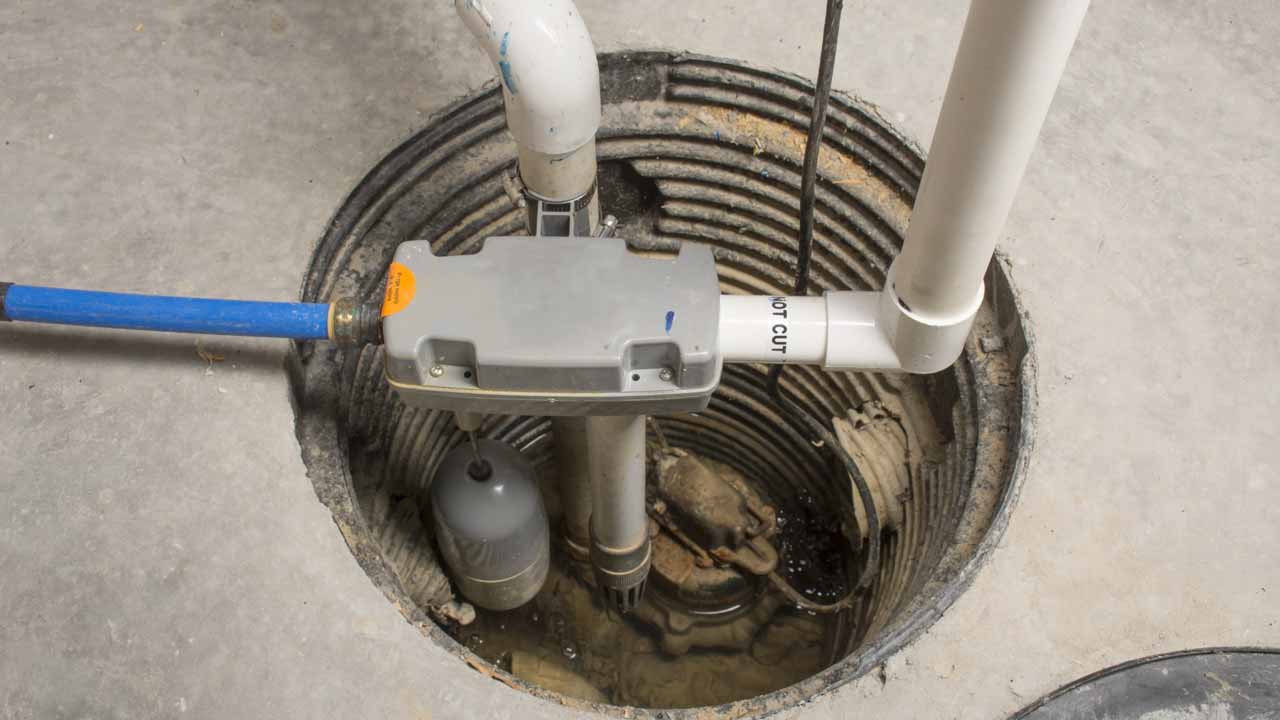
A sump pump is a critical part of any flood prevention system—especially in areas with heavy rainfall or high groundwater. Installed in a sump pit at the lowest point of a basement or crawl space, the pump removes excess water and directs it away from your foundation to prevent water intrusion, water damage, mold, and structural issues.
Sump pumps are common in newer homes but can be added to older homes and commercial buildings alike. A battery backup or water-powered (Venturi pump) complementing your primary sump pump can also keep your property protected during power outages or if the primary pump fails.

Sump Pump Services
Sump Pump Maintenance Tips
Customer Reviews
Frequently Asked Questions
Why is my sump pump not draining?
A sump pump may not be draining due to a clogged discharge pipe, a stuck float switch, a power issue, or a failed pump motor. Debris buildup or a frozen or blocked drain line can also prevent proper drainage. It's best to inspect the components or call a professional plumber for diagnosis and repair.
How To Test a Sump Pump
First, inspect the sump pit for clogs or damage and ensure the pump is plugged into a working outlet. Slowly pour water into the pit to raise the float switch. The pump should turn on, drain water quickly, and shut off automatically. You can also manually lift the float to test activation without water.
How deep should a sump pump be installed?
A sump pump should be installed in a pit at least 18 inches wide and 24 inches deep. The depth must allow the pump to sit level and below the basement floor to collect water effectively.
What Can I Do to Prevent a Sump Pump Failure?
Prevent sump pump failure with regular maintenance, proper installation, and backup power. Test the pump regularly, keep the pit and intake screen clear, and ensure the float switch moves freely. To avoid issues during power outages, install a battery backup or home generator.
Do you need a plumber to install a sump pump?
While DIY installation is possible for experienced homeowners, hiring a plumber is recommended to ensure proper setup, drainage, and code compliance.