Sump Pump Repair and Installation in St Louis
Key Takeaways: A Pit Cut Into a House That Never Had One
- Water in an older St Louis house usually arrives through the wall rather than up through the floor, which changes where a pit has to sit to be any use.
- Rubble limestone and soft lime mortar pass water at the joint. That is not a defect in a wall of that age, it is how it was built, and the pit exists to catch what comes through.
- Most pits here were cut decades after the house was finished, so their siting was a judgement call somebody made once, and a bad call reads as a failed pump.
- The four mechanical failures are a fouled float switch, a packed intake screen, a seized impeller and a spent check valve, and each announces itself differently.
- The fifth is a power cut in a summer thunderstorm, which no pump can solve on its own and a battery backup is built for.
- Sediment matters more here than most places. Fine material out of the mortar joint and the surrounding fill settles in the pit and shortens the life of everything in it.
- Roto-Rooter is fully licensed and insured and answers in St Louis 24/7, 365 days a year.

Most of the housing that defines this city went up long before anyone built drainage into a foundation. Brick above, rubble limestone below, soft lime mortar in the joints, and a floor poured onto whatever was there. Those walls were never sealed and were never meant to be, so groundwater under pressure comes through the joint. A sump pump in St Louis is usually handling that, and it is a different problem from a pump waiting for a slab to weep.
Water Through the Wall, Not Up Through the Floor
The distinction is not academic. Water arriving laterally shows up along one wall and works across the floor from there, so it can miss a pit sitting twelve feet away entirely. That is why a St Louis pit that was cut into a convenient corner rather than the true low point can look like a broken pump while the equipment is in perfect order. The pump has nothing to lift because the water never reaches it.
Where an interior drain tile loop was added around the footing, the pit becomes the collection point for the whole loop and the picture changes again. The first question on a wet floor in an older house is therefore not what is wrong with the pump. It is where the water enters and whether anything routes it to the pit.
Why Is There Grit and Mortar Sand in the Bottom of the Pit?
Because the water carrying it has come through a masonry joint and through fill. Fine material moves with it, settles out where the flow slows, and the pit is where the flow slows. Over a few seasons that layer builds up. It packs the intake screen so the motor runs against nothing, it abrades an impeller, and it holds moisture and smell between events.
Two habits deal with it. Clear the bottom of the pit when you test the pump, and keep a lid on the pit, which stops most of what would otherwise fall in and keeps damp air out of the room. Neither is expensive. Both extend the life of the equipment more reliably than buying a larger unit does.
Serving the entire Saint Louis metro area, Including:
Counties in the St Louis Metro Area
Where a Sump Pump Discharge Line May Not Go
On an old lot the tempting answer is ten feet away and the floor drain is right there, and both are wrong. Tying a discharge line into the sanitary sewer is prohibited across Missouri, and a floor drain in a house of this era may lead somewhere nobody has verified in decades. Discharge belongs outside, far enough from the wall that the water cannot work back down the same path it arrived by, and low enough that gravity keeps it moving.
That distance is not decoration. On clay that has already taken all it can hold, a line ending three feet from the foundation is simply handing the water back, and the pump moves the same volume again on the next cycle. Where a narrow city lot leaves no obvious route, the answer is a longer buried run to a legal outlet rather than a shorter one to a convenient spot.
The check valve on that line deserves attention in its own right. It holds the column of water in the pipe when the motor stops. When it goes, the pit refills instantly, the pump restarts, and short cycling wears out a motor that had years left.
Backup Power for a Summer Storm That Takes the Grid
The failure that soaks a floor here is usually a working pump with no electricity. Summer storms in this part of Missouri bring straight-line wind, and the outage arrives with the rain rather than after it. A battery backup is a second pump with its own power source, sized in hours, and the number of hours falls as the inflow rises.
Be clear about the limits. It does not double capacity in normal use, and it does not justify keeping a primary pump that is already struggling. In a retrofitted pit there is a second consideration: a backup needs somewhere to sit, and a narrow pit cut into an old floor may need to be enlarged before a second pump will fit properly. That is worth knowing before the day it is urgent.
A Pit Cut Too Shallow, and What Short Cycling Costs
Retrofitted pits are frequently shallow, because whoever cut one into an existing floor stopped as soon as it looked deep enough. A shallow pit gives the pump very little travel between the on and off points, so it starts and stops repeatedly through a storm and burns through a duty cycle rated for far fewer starts. An oversized pit has the opposite problem: water stands, goes stale and drops its sediment on the intake.
Listen to the rhythm in ordinary St Louis rain and remember it. A pump that used to run for twenty seconds every few minutes and now runs for a minute has changed, and the change is the useful information.
Testing a Retrofitted Pit, and Clearing It While You Are There
Pour a bucket of water slowly into the sump pit until the float switch lifts. The pump should start, clear the pit and stop cleanly without restarting. Listen for a hum with no flow, and watch whether the level jumps straight back up when the motor cuts. Then scoop the sediment out of the bottom while the pit is accessible, because in this housing stock that layer is the thing quietly shortening the pump's life.
Do it twice a year, and put one of those checks in autumn before the ground freezes. What the bucket cannot tell you is whether the pump keeps up under real inflow, whether the buried discharge run is clear along its length, or whether the drain tile still reaches the pit.
The Part of a Wet Wall That Is Not Plumbing Work
Repair, replacement, new installation, backup systems, discharge line work and diagnosis of the whole pit are all in scope. Repointing masonry, waterproofing a foundation, exterior excavation and structural repair belong to other trades. Any company in St Louis proposing to cure water intrusion by fitting a larger pump is proposing the wrong thing. A pump manages the water that reaches the pit. It does not stop water from reaching the building, and it does not repair a mortar joint.
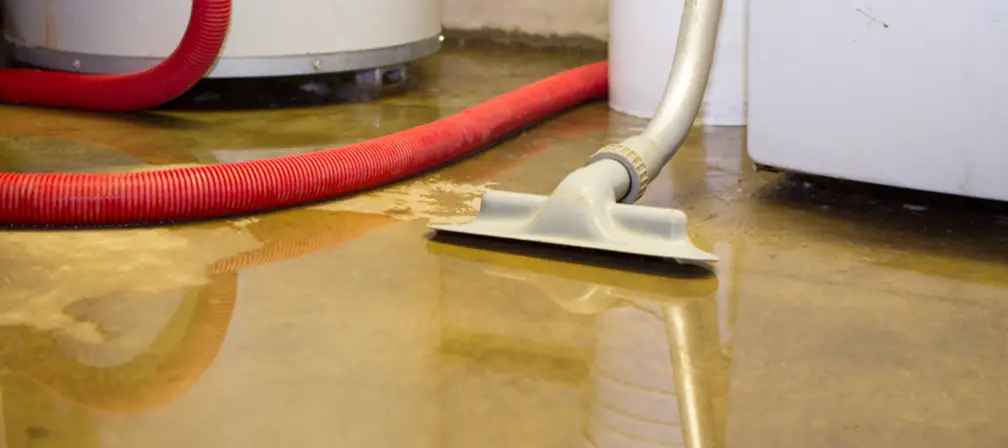
Where water has already spread across a floor, cleanup is its own job. See St Louis water damage restoration, and the St Louis plumbing page for everything else.
Schedule a Sump Pump Diagnosis in St Louis
Roto-Rooter has served homeowners since 1935 and is fully licensed and insured. Call 314-925-2651 or schedule online to have the pit, the float switch, the check valve and the discharge line assessed as one system, and to find out whether the pit is where the water actually goes. Roto-Rooter provides on-site estimates before any work begins and answers 24/7, 365 days a year.

What the Wall Shows Before the Floor Does
River-Valley Ground and Century-Old Masonry
SPECIAL FINANCING AVAILABLE
We have partnered with Synchrony Bank to offer financing options to make your plumbing repair expenses as convenient and stress-free as possible.