Sump Pump Repair and Servicing in Portland
Key Takeaways: Equipment That Never Gets a Season Off
- The wet season here is long rather than violent, so a Portland pit works steadily for months instead of answering a handful of storms.
- That makes the usual advice awkward. Testing it before the season assumes there is a before, and in Oregon there is only a short one.
- Continuous work consumes a sump pump through run hours and through the number of starts, neither of which produces a symptom until quite late.
- The dry summer window is the natural service slot, and it is the only stretch when the equipment can be taken out of use without consequence.
- Four faults still cover most Portland calls: a float switch that cannot move, a fouled intake, a seized impeller and a check valve letting the pit refill on every cycle.
- Batteries, float switches and check valves are consumables. On equipment that runs constantly they wear on a schedule rather than at random.
- Roto-Rooter is fully licensed and insured and answers in Portland 24/7, 365 days a year.

Most advice written about a sump pit assumes a rhythm Portland does not have west of the Cascades. It talks about getting the pump ready for the season, about the storm that will test it, about the months of quiet in between. Here the pit starts working in the autumn and is still working in the spring, without ever doing anything dramatic, and the sensible questions are consequently different ones.
The Advice That Does Not Fit This Market
Storm-response thinking treats a pump as insurance: an object that sits still and has to work perfectly once. Portland asks something closer to the opposite. The inflow is modest, it is relentless, and the equipment cycles thousands of times through a winter without ever being stretched. Nothing about that looks like an emergency, and it is exactly how a motor is consumed. Households here are far more likely to meet a pump that simply wore out than one that was overwhelmed.
The One Reliable Dry Window
The saving grace is that Oregon does give a genuine dry stretch through the summer, and that window is the correct place to put every job that requires the pit to be out of service. Pulling a pump for inspection, replacing a check valve, cleaning out the bottom of a pit, swapping a backup battery and clearing a discharge outlet are all straightforward in August and all awkward in January. Treating that window as the annual service slot is the single most useful habit on this page.
It also solves the testing problem. Testing during the wet season tells you very little, because inflow masks a struggling pump: the pit keeps emptying, so everything looks fine right up until it does not. Testing in the dry, when the pit is quiet and the only water in it is the water you put there, isolates the equipment from the conditions.
Serving the entire Portland metro area, Including:
Counties in the Portland Metro Area
A Maintenance Calendar Built Around the Dry Months
The practical Portland version is short. Once a year, in the dry stretch, have the pump pulled and looked at rather than merely switched on. Clear the bottom of the pit. Replace the check valve if it has been in place for years, because it is cheap and it has operated on every cycle of every wet season since it went in. Test the float through its full travel. Walk the discharge line to its outlet and cut back whatever has grown over it. Check the age of any backup battery against its expected life rather than against whether it currently holds a charge.
Then in the autumn, before the first sustained rain, run a simple functional check so the season starts from a known position. That is two visits to the equipment a year, one thorough and one quick, and it is a much better fit for Portland conditions than the single pre-season inspection most guidance suggests.
Consumables That Get Treated as Permanent
In Portland the float switch, the check valve and the battery backup are wear items. On equipment that runs for months at a time they should be planned for, not discovered. A float that has begun sticking occasionally will stick permanently, and it usually chooses a wet night to do it. A check valve that has started to pass will keep passing, and each cycle it fails adds a start the motor did not need. A battery that is a few years old will hold a charge in a test and fade under load.
None of those is expensive. All of them are cheaper in August than in February, and all of them are far cheaper than the motor they protect. That is the entire economic case for a dry-season service, and it is why we push the idea in this market more than we would elsewhere.
Where the Water Goes for Eight Months a Year
A discharge line here is not an occasional convenience, it is a working conduit for most of the year. It has to carry water far enough from the building that it does not soak back down through saturated ground and return to the pit, which is a harder ask here than in a market where the ground dries out between events. Ground that is already full cannot absorb what you send it, so a short run simply moves water sideways and hands it back.
The check valve on that run stops the standing column of water in the pipe dropping back at shutoff. When it fails, the pit refills instantly, the pump restarts, and on an Oregon property that already cycles constantly the extra starts add up extraordinarily quickly. It is the cheapest part on the system and the one most worth replacing on a schedule.
Cycling, and a Baseline Taken Early in the Wet Season
A Portland pit with too little water volume between its start and stop levels fills faster than the pump can comfortably clear, so the motor starts constantly. A pit that is too large lets water stand and drop sediment onto the intake. Neither shows itself as a complaint, and in a market with continuous inflow both are easy to miss because the pump is always doing something.
Take the baseline in November, when the season has properly started and the equipment is healthy. Time one cycle and note roughly how often it repeats during steady rain. By March that number is the most useful piece of information anybody in the household has, because a pump taking noticeably longer to clear the same pit has changed while nothing visible has happened at all.
What a Service Visit Cannot Change
Repair, replacement, new installation, backup systems, check valve and discharge line work and full diagnosis of the pit are ours. Foundation repair, exterior waterproofing, crawl space encapsulation and structural work are not, and Roto-Rooter does not take them on. A well-serviced pump in a market this wet is still only lowering the groundwater that reaches the pit. It does not dry out a space, it does not stop water arriving, and a household should not be sold it on either basis.
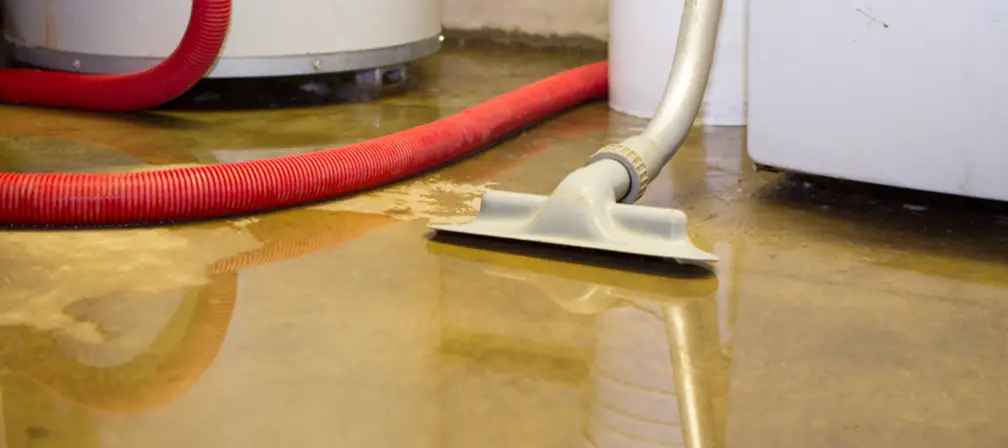
Where water has already been across a floor, drying and cleanup are separate work. See water damage restoration in Portland for that, and the Portland plumbing page for everything else we handle here.
Book a Dry-Season Pump Service in Portland
Roto-Rooter has served Oregon homeowners since 1935 and is fully licensed and insured. Call 503-937-1993 or schedule online to have the pump pulled and inspected, the pit cleared, the float switch and check valve assessed and the discharge outlet found and opened up, in the one stretch of the year when the pit can spare the time. Roto-Rooter provides on-site estimates before any work begins and answers 24/7, 365 days a year. That is plumbing peace of mind arranged in advance rather than in February.

What Constant Running Wears Out First
A Rainy Season Measured in Months
SPECIAL FINANCING AVAILABLE
We have partnered with Synchrony Bank to offer financing options to make your plumbing repair expenses as convenient and stress-free as possible.