Hot Water Restored Today — Expert Water Heater Repair
Hot water is essential - whether at home or in your business. When your water heater breaks down, you need fast, reliable service. Roto-Rooter's expert plumbers are trained to repair, maintain, and replace all water heater types - including gas, electric, and tankless models - from every major brand.

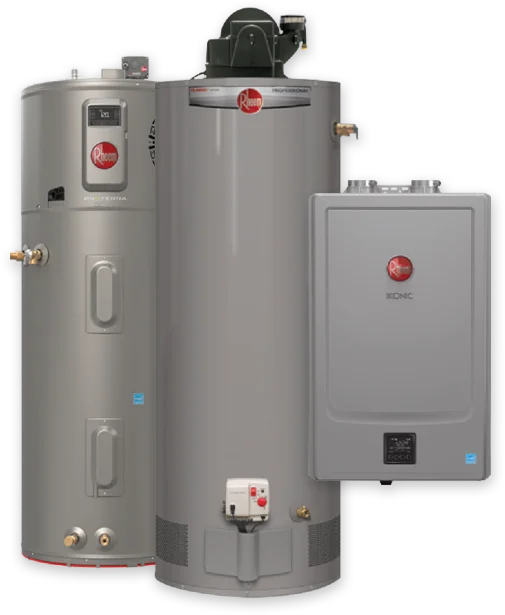
Water Heaters We Service And Their Common Problems
We service and repair all water heater types. Here are the most common issues we help homeowners and businesses solve:

Gas Water Heaters
- Pilot Light Won't Stay Lit
- Water Buildup On / Around Tank
- Leaking Temp & Pressure Relief (T&P) Valve
- Gas Control Malfunctions
- Rumbling or Popping Noises

Electric Water Heaters
- No Hot Water / Water Not Heating Enough
- Faulty Heating Element / Thermostat Failure
- Rust-Colored Water from Hot Tap
- Rotten Egg Smell from Hot Water
- Leaks Around Tank Fittings

Tankless Water Heater
- No Hot Water / Reduced Flow
- Ignition or Flam Failure
- Error Codes or Sensor Malfunctions
- Unit Shuts Off During Heavy Use
- Temperature Fluctuations
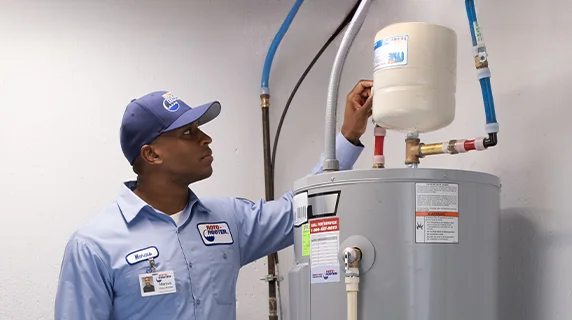


residential and commercial water heater solutions
We're experts in both residential and commercial water heater systems.
- Residential
From compact electric heaters to gas or tankless systems, Roto-Rooter's water heart experts can install, repair, and maintain all types of systems.
- Commercial
Business rely on dependable hot water every day. We install and service high-capacity / energy efficient water heater systems for restaurants, hotels, gym, offices, and industrial facilities, ensuring safety, compliance, and minimal downtime.
Replacement and Upgrade Services
The average lifespan of a tank heater is 10 years. Water quality and pressure can impact the longevity of a water heater system. When repair isn’t enough, we offer complete water heater replacement and upgrade options.
When to Replace
- Hot water is inconsistent or runs out too fast
- Leaks, rust, or strange noises
- Rising energy bills from inefficiency
Upgrade Options
- Upgrade to an extended 10-year tank warranty
- Switch from tank to tankless for endless hot water
- Upgrade to a hybrid heat pump water heater for maximum efficiency
Why Choose Roto-Rooter for Replacement?
- We install all major brands including A.O. Smith, Rheem, Bradford White, Rinnai, and more
- Upfront pricing with no surprises
- Same-day installation available in most cases
- Financing options for new systems
Not all locations may offer preventive maintenance services.
5 Essential Maintenance Tips for Your Water Heater:
Routine maintenance helps your water heater last longer and operate more efficiently.
- Flush the tank annually to remove sediment buildup. If you have hard water, flush every 6 months. This prevents overheating and improves efficiency.
- Check the anode rod every 2–3 years. Consider upgrading standard anode rod to extend the life expectancy of your heater.
- Set the temperature to 120°F to save energy and reduce mineral buildup.
- Inspect for leaks and corrosion around the base and connections regularly. Rust or water pooling means it’s time for repairs.
- Test the pressure relief valve annually to ensure its functioning properly.

Frequently Asked Questions
How do I know if my water heater needs to be repaired or replaced?
If you’re seeing leaks, inconsistent hot water, strange noises, or if the unit is over 8–12 years old, it’s likely time for repair or replacement. We can diagnose it on-site.
How long does a typical water-heater installation take?
Most installations take about 2–4 hours. Complex upgrades or code-related work may take a little longer.
What’s the difference between tank and tankless water heaters?
Tank heaters store hot water and are usually more affordable upfront. Tankless systems heat water on demand, offer endless hot water, save space, and are more energy efficient.
How often should I schedule maintenance for my water heater?
Once a year is ideal. Regular flushing and safety checks help prevent breakdowns and extend the life of the unit.
What size water heater is right for my home?
The size you need depends on your household size and how much hot water you use. For most families, a 40 to 50-gallon tank is sufficient. However, homes with higher water demands or those using tankless systems are typically sized according to the flow rate.
What size water heater do I need for my home?
It depends on your household size and hot-water usage. Most families need a 40–50 gallon tank, while high-demand homes or tankless systems are sized based on flow rate.