Sump Pump Repair and Installation in Pittsburgh
Key Takeaways: The Low Point Moved and the Pit Stayed
- A pit was cut at the lowest spot of the house on the day the work was done, and that was frequently a long time ago.
- Pittsburgh houses get altered. An addition, an enclosed porch, a garage cut into the slope or a re-poured section of floor all move where water now stands.
- When the low point moves, the pit is left serving a corner that no longer collects anything, and the equipment gets blamed.
- The tell is a wet floor somewhere the pump cannot reach while the pit itself is barely working.
- Four faults still cover most genuine Pittsburgh equipment calls: a float switch that cannot move, a fouled intake, a seized impeller and a failed check valve.
- Finding the current low point takes a level, a hose and twenty minutes, and it should happen before anybody buys anything.
- Roto-Rooter is fully licensed and insured and answers in Pittsburgh 24/7, 365 days a year.

A Pennsylvania sump pit is a decision frozen in concrete. Somebody stood on that floor, worked out where water collected, and cut a hole there. It was the right place at the time. The question worth asking on an older Pittsburgh property is whether the house has stayed the same shape since, because the answer is very often no, and water pays attention to the house as it is now rather than as it was.
A House That Was Built in Stages
Very little of this market went up in a single operation and stayed that way. Terrain here encourages building outward and downward in steps, so houses gain rear additions on their own footings, porches get enclosed and floored, garages get cut into the slope under part of the building, and floors get broken out and re-poured during renovations. Each of those changes the levels underfoot, and the changes are cumulative over a century.
How the Low Point Migrates
A new section poured slightly lower than the original becomes the place water goes. A garage floor cut in below the rest of the footprint becomes the lowest point of the whole building. A patch repair that dips creates a shallow basin nobody planned. None of that announces itself, because concrete looks flat and human beings are poor judges of a slope of half an inch across ten feet. Water is not, and it finds the new low point immediately and permanently.
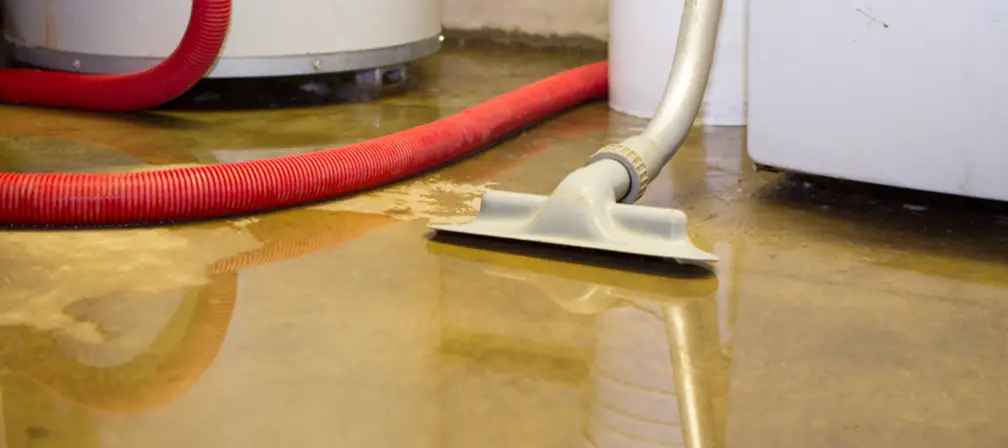
The result is a household with a functioning pump and a wet floor, which is a genuinely confusing combination. The pit is dry or barely cycling, the equipment tests perfectly, and there is standing water twenty feet away. Nothing is broken. The collection point is simply in the wrong place for the building as it exists now.
Serving the entire Pittsburgh metro area, Including:
Counties in the Pittsburgh Metro Area
Moving the Collection Point, or Bringing Water to It
A battery backup does not change any of this, so settle the position first. Once the current Pittsburgh low point is established, there are two sensible answers. Cut a new pit where the water actually goes, which is the direct solution and involves breaking concrete and running a new discharge route. Or create a path so that water collecting at the new low point can reach the existing pit, which is usually cheaper where the levels cooperate and impossible where they do not.
Deciding between them is a Pittsburgh site question, settled by how far apart the two points are, how much fall exists between them, what the floor is made of, and whether a discharge route already exists that can be reused. That is why a Pittsburgh estimate for this work follows a visit rather than a phone call, and it is also why replacing the pump alone so frequently disappoints: a new motor in the wrong corner does exactly what the old one did.
Finding the Real Low Point With a Level and a Hose
This is genuinely something a Pennsylvania household can do. Wait until the floor is dry, run a modest amount of water onto it in the middle of the space, and watch where it goes. Repeat in two or three places. Water is the most accurate level anybody owns, and it will find in seconds a difference no eye can see. Note where it collects and how it gets there, and take a photograph.
That single exercise turns an argument about equipment into a map, and it is the information a technician most wants and least often receives. It also settles whether there is one low point or two, which decides whether the answer is a relocation, a connection or a second pit.
The Discharge Run When the Pit Has Moved
A relocated Pittsburgh pit needs its own route out for the groundwater it collects, and on a hillside property that is frequently easier than it sounds because there is fall available. The requirement is unchanged: carry the water far enough from the building that it does not soak back down to the drainage at the footing and return, and end it somewhere with genuine fall away rather than against a wall lower down the slope.
The check valve on that run stops the standing column of water in the pipe falling back into the pit at shutoff. On a Pittsburgh installation with a long vertical lift up from a low garage or lower level, that column is heavy and the valve works hard, so it is a wear item rather than a fitting. When it fails, the pit refills instantly and the pump restarts, which doubles the starts and ends motors years early.
Pit Volume and Cycling After a Relocation
A new Pittsburgh pit is an opportunity to fix a sizing problem that has been there all along. Too little volume between the start and stop levels means the motor starts constantly and burns through the number of starts it was rated for. Too much means water stands and drops sediment onto the intake. Getting the volume right at the point the hole is being cut costs nothing extra and pays for years.
Once it is in, learn the rhythm during an ordinary Pittsburgh rain while everything is healthy, and write the run time down. A pump taking noticeably longer to clear the same pit has changed, and that comparison is only possible if somebody recorded the starting position.
What Relocating a Pit Cannot Fix
Repair, replacement, new installation, additional or relocated pits, backup systems, check valve and discharge line work and full diagnosis are ours. Foundation repair, exterior waterproofing, underpinning, floor leveling and structural work are not, and Roto-Rooter does not take them on. Where a floor has dropped because something under it moved, moving the pit deals with the water and not with the reason the floor moved. A sump pump lowers the groundwater that reaches the pit, and that is the whole of what it does.
Where water has already been across the floor, drying and cleanup are separate work. See water damage restoration in Pittsburgh for that, and the Pittsburgh plumbing page for everything else we handle here.
Book a Low Point and Pump Assessment in Pittsburgh
Roto-Rooter has served Pennsylvania homeowners since 1935 and is fully licensed and insured. Call 412-793-9200 or schedule online to have the current low point established, the pit and float switch assessed, the check valve and the discharge route checked, and an honest answer about whether the equipment or its position is the problem. Roto-Rooter provides on-site estimates before any work begins and answers 24/7, 365 days a year, which is plumbing peace of mind on a house that has changed shape more than once.

Signs the Pit Is in the Wrong Corner Rather Than Failing
Hillside Lots and Houses Altered Over Generations
SPECIAL FINANCING AVAILABLE
We have partnered with Synchrony Bank to offer financing options to make your plumbing repair expenses as convenient and stress-free as possible.