Sump Pump Repair and Installation in Philadelphia
Key Takeaways: What Is Under the House Is Rarely One Space
- A great deal of Philadelphia row and twin stock has a cellar under the original footprint and something else entirely under the rear addition.
- That something else is usually a shallow crawl space or a slab poured directly on the ground, and it drains nowhere in particular.
- A pit only collects water that can physically reach it, so water under the back of the house may have no route to the equipment at the front.
- Households discover this the hard way: a working pump, a dry cellar, and a damp rear section nobody can explain.
- Four faults still cover most Philadelphia calls: a float switch that cannot move, a fouled intake, a seized impeller and a check valve letting the pit refill on every cycle.
- On a lot built to both side lines, where the discharge line can end is a genuine constraint and needs planning rather than improvising.
- Roto-Rooter is fully licensed and insured and answers in Philadelphia 24/7, 365 days a year.

Ask somebody in this city what is under their house and the answer is usually one word. Go down and look and the answer is frequently two or three things joined awkwardly together: a proper cellar under the front rooms, a step down or a hatch into a low crawl under the kitchen, and a section at the back where the floor is simply on the ground. Those parts were built at different times for different reasons, and water does not treat them as one space either.
The Cellar, the Back Building and the Gap Between
Philadelphia's older stock grew backwards. A house went up with a cellar beneath it, and a rear addition arrived later carrying a kitchen, a bathroom or both. That addition rarely got the same excavation. It sits on shallower footings, on a crawl space with restricted headroom, or on a slab. The junction between the two, which is the old rear wall of the original house, becomes an underground divider that water has to get around rather than through.
Why a Pit Only Serves What Can Reach It
A Philadelphia sump pit is a low point with a pump in it, and the pump can only deal with water that arrives. If the drainage at the footing runs around the original footprint and the addition was built with no drainage at all, then water under the addition has nowhere to go except into the ground it is already in. The cellar can be perfectly dry while the crawl behind it holds standing water, and the household reasonably concludes there must be something wrong with the pump. There is not. The pump is doing its job over the area it was given.
That is why the first thing worth establishing on a property like this is the shape of the underfloor area and whether its sections communicate. It takes a look with a torch and ten minutes, it changes the entire specification, and it is the step most commonly skipped.
Serving the entire Philadelphia metro area, Including:
Counties in the Philadelphia Metro Area
One Pit, or a Pit and a Connection
Where a Philadelphia underfloor area is genuinely split, there are two honest options and both should be on the table. The first is to give the unserved section its own collection point, which is straightforward where there is headroom and access and awkward where there is not. The second is to create a route so that water under the rear section can reach the existing pit, which is usually the cheaper answer where the levels allow it.
Which of those makes sense is decided on the property, by looking at floor levels, at what the sections are made of, and at where water actually shows up. It cannot be settled over the phone, and any Philadelphia quote given without somebody having looked under the back of the house is a guess about the half of the problem that matters.
The Discharge Line on a Lot With No Side Yard
Pennsylvania row houses give a pump very little ground to work with. The water has to be carried far enough that it does not soak straight back down to the drainage at the footing, and it cannot be aimed at a neighbor's property or a public walk. On a lot built to both side lines that narrows the options to the front, the rear yard where there is one, and whatever route can be arranged through the building. Planning that properly is part of the job rather than an afterthought.
The check valve on that run stops the standing column of water in the pipe from falling back into the pit at shutoff. When it fails, the pit refills instantly, the pump restarts, and the number of starts doubles without the sound changing much. It is small, inexpensive, and responsible for a disproportionate share of motors that fail years early.
Cycling When the Pit Sees Only Half the Water
A Philadelphia pit with too little volume between its start and stop levels fills faster than the pump can comfortably clear, so the motor starts constantly and burns through its rated number of starts. A pit that is too large lets water stand and drop sediment onto the intake. On a split underfloor space there is a third possibility worth naming: a pit that cycles far less than the wetness of the house suggests, because it is only receiving part of what is arriving.
That mismatch between how wet the space is and how hard the pump works is the signature of a disconnected section, and it is the most useful diagnostic on this page. Learn the rhythm of an ordinary Philadelphia rain while everything is healthy, and compare it against where the damp actually appears.
Testing Both Halves Rather Than Just the Pump
Pour water slowly into the Philadelphia pit until the float switch lifts. The pump should start, clear the pit and stop cleanly without restarting a moment later. Listen for a hum with no flow. Watch whether the level jumps back up at shutoff. Then take the torch into the rear section, and look at the ground there rather than only at the equipment at the front.
Neither part of that tells you what happens with no electricity, and in Pennsylvania the storm that saturates the ground is the storm that drops the power. A battery backup is a second pump with its own power source. It carries a pit through an outage of hours rather than days, the hours fall as the inflow rises, and it is no substitute for replacing a primary pump that is already failing.
What Cannot Be Solved by Adding Equipment
Repair, replacement, new installation, additional pits, backup systems, check valve and discharge line work and full diagnosis of the space are ours. Foundation repair, exterior waterproofing, underpinning and structural work are not, and Roto-Rooter does not take them on. It matters here because a house with a split underfloor space can have both a pumping problem and a building problem at once, and only one of them is answered by equipment. A sump pump lowers the groundwater that reaches the pit and does nothing about water coming through a wall.
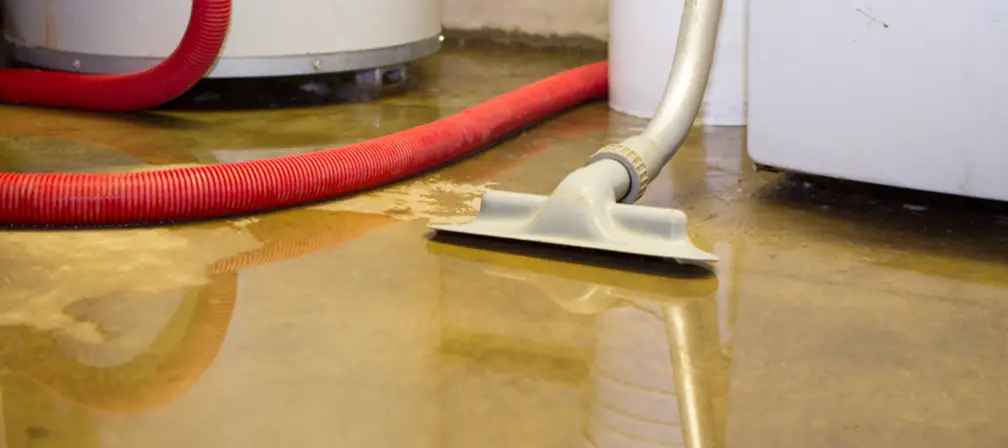
Where water has already been across a floor, drying and cleanup are separate work. See water damage restoration in Philadelphia for that, and the Philadelphia plumbing page for everything else we handle here.
Book an Underfloor and Pump Assessment in Philadelphia
Roto-Rooter has served Pennsylvania homeowners since 1935 and is fully licensed and insured. Call 215-446-9067 or schedule online to have the whole space under the house looked at rather than only the pit at the front, along with the float switch, the check valve and the discharge route. Roto-Rooter provides on-site estimates before any work begins and answers 24/7, 365 days a year. That is plumbing peace of mind based on the whole footprint.

How to Work Out What You Actually Have Down There
Row Stock, Back Buildings and Ground That Holds Water
SPECIAL FINANCING AVAILABLE
We have partnered with Synchrony Bank to offer financing options to make your plumbing repair expenses as convenient and stress-free as possible.