Sump Pump Repair, Replacement and Installation in Orlando
Key Takeaways: A Sump Pump Against a Rising Water Table
- A pump that runs for weeks with no rain overhead is not faulty. It is reporting a water table that has come up under the property and is staying up.
- Continuous duty is the real wear here. Motors are rated for a number of starts and a share of running time, and a wet season spends both far faster than a dry one.
- The usual faults are a jammed float switch, an intake screen packed with sand, a seized impeller, and a check valve that has quit sealing.
- The fault that soaks a Florida garage is normally none of those. It is the outage, when a tropical system parks over the region and the pump has no power for a day or more.
- A battery backup is genuinely worth it in Central Florida, and it is worth being honest that a battery is measured in hours while a storm outage can run longer.
- A discharge line ending on saturated ground puts the water back into the same sand it just came out of, and the pump then spends the season lifting it twice.
- Roto-Rooter is fully licensed and insured and answers in Orlando 24/7, 365 days a year.

Sand does not hold water back, it hands it over. Under most of Orlando the soil is porous sand sitting on limestone, and the level that water stands at underneath a property moves with the season rather than with the weather on any given afternoon. That single fact changes what a sump pump is for here. It is not a device waiting for an emergency. It is a device with a job that starts when the wet season starts and does not finish until the ground drops again.
Why Is the Sump Pump Running When It Has Not Rained?
This is the most common call of the year and the answer is usually reassuring. Through the wet months the groundwater level under Central Florida climbs, and once it sits above the bottom of a pit, water arrives through the sand continuously. There is no storm involved. The pump is doing exactly what it was installed to do, and the cycling that sounds alarming is the system working.
Two things make that worth a look anyway. The first is that the same symptom is produced by a discharge line returning water to the pit, which is a fault rather than a season, and telling the two apart takes about ten minutes with somebody watching the outlet while the pump runs. The second is that months of continuous duty use up a motor quickly, so a pump behaving normally in a wet Orlando summer is still a pump aging at several times the rate a lightly loaded one does.
What Wears Out on a Pump That Never Gets a Rest
The failures themselves are not exotic. A float switch fouled or wedged against the pit wall never signals a start. An intake screen silted up with the fine sand that washes into a pit here means the motor runs and moves very little. A seized impeller gives a hum instead of flow. A check valve that has stopped holding drops the water standing in the discharge pipe straight back down, so the pump restarts within seconds and burns through its start rating in a fraction of the time.
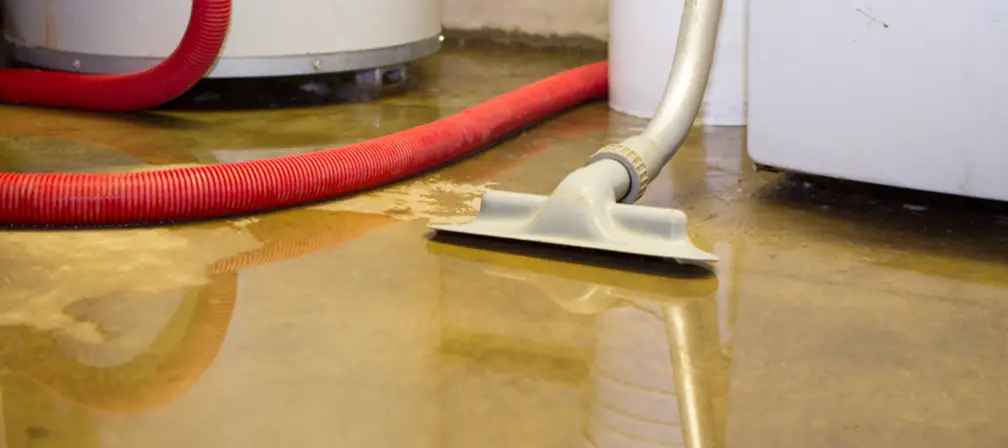
The fifth one is not the pump's fault at all. A tropical system sits over the region, the power goes out, and the ground keeps delivering water at the same rate it was an hour earlier. Nothing is wrong with the equipment. It simply has no electricity, and that is the failure that puts water across a garage slab in Orlando more than any mechanical fault does.
Serving the entire Orlando metro area, Including:
Counties in the Orlando Metro Area
Discharge Into a Yard That Is Already Full
Termination decides whether the pump is finishing the job or repeating it. Water put out onto sand that is already at capacity does not soak away, it moves back down to the pit, and the pump lifts the same volume again. On a flat Orlando lot with little natural fall, that loop can run for the whole wet season while everybody assumes the equipment is simply busy. The tell is a pump cycling at a steady rhythm on a dry day with a wet patch near the outlet.
The check valve governs a shorter version of the same loop. It holds the column of water standing in the riser so it cannot fall back when the motor cuts out, and once it stops sealing the pit refills instantly and the pump restarts within seconds. It is a small, inexpensive part, and it is among the most common reasons a motor fails early. Where a discharge is tied into site drainage, that receiving side also has to have capacity during the storm that is loading the pump.
The Backup That Matters When the Grid Is Down for Days
The honest answer in this market is yes. A battery backup is a second pump with its own power source, and Central Florida hands it the one scenario it was designed for: a tropical system that takes the power out while the ground is fully charged and still delivering. There is no dry spell in the middle of that to buy time.
Being straight about the limits matters just as much. A battery is measured in hours, and how many depends on how fast water is arriving. A long regional outage can outlast it, which is why some properties pair a backup with a generator circuit for the pump instead of relying on the battery alone. A backup is also not a reason to keep a primary pump that is already showing its age.
Pit Sizing for Ground That Delivers Water All Season
Sizing in Orlando has to answer a different question than it does in a market where the pit is idle most of the year. A pit that is too small gives the pump a short draw-down and a very high start count, and starts are what motors are rated for. A pit that is too large lets water stand until it goes stale and lays sand on the intake. Neither is dramatic and both quietly shorten equipment life.
Rhythm is the diagnostic worth having. During ordinary wet-season conditions, note how long the motor runs and how long it rests, because that pair of numbers is your baseline. A pump that used to clear the pit in twenty seconds and now takes over a minute has changed, and the change shows up well before any water does.
Sump Pump Installation in a Garage Slab or a Perimeter Drain Pit
Plenty of property in Orlando has no pit and does not need one until something shifts: a driveway regraded so it falls toward the garage, a neighboring site raising its pad, or drainage that simply stopped keeping up as the surrounding area was built out. The symptoms are a garage slab that stays damp for days, water tracking in under the door after a normal storm, or a French drain that has clearly stopped carrying anything.
Cutting a new pit into a slab is a bigger job than replacing a unit, and where it goes is most of the decision. A pit put where it is convenient rather than at the genuine low point collects nothing while the far corner keeps flooding. Doing it properly means reading how the slab and the site actually drain and tying the pit into the drainage that already exists, which is why this starts with an inspection rather than a number over the phone.
The Bucket Test, and the Month to Do It
Pour a bucket of water into the pit steadily until the float switch lifts. The motor should start, take the level down, and stop without kicking back on a moment later. A hum with a still surface points at the impeller or the intake. An immediate restart points at the check valve. Then walk out and confirm water is actually leaving the discharge outlet, because that is the half nobody checks. Do this in spring, before the wet season, rather than discovering the answer in the middle of it.
What Roto-Rooter Handles and What Belongs to a Drainage Contractor
The pit and everything attached to it is Roto-Rooter's work: diagnosis, repair, replacement, new installation, backup systems, the check valve and the discharge line out to its termination. Regrading a lot, exterior excavation, waterproofing and structural repair are a different trade. Anyone answering a water intrusion problem in Florida by proposing a larger pump is answering the wrong question, because a sump pump manages the water that reaches its pit and cannot stop water from reaching the property.
Where water has already gotten into finished space, the cleanup is its own job: see Orlando water damage restoration. For drains, sewer lines and the rest of what the same crew covers, start at the Orlando service page.
Book a Sump Pump Check in Orlando Before the Wet Season
Roto-Rooter has been doing this work since 1935 and is fully licensed and insured. Call 407-886-7311 or schedule online to have the pit, the pump, the float switch, the check valve and the discharge line assessed together rather than one piece at a time. Roto-Rooter provides on-site estimates before any work begins and answers 24/7, 365 days a year. Having it looked at before the rains build is the cheapest plumbing peace of mind available in Orlando.

What a Struggling Pump Sounds Like in the Wet Season
Sand, Limestone and a Water Table That Does Not Drop
SPECIAL FINANCING AVAILABLE
We have partnered with Synchrony Bank to offer financing options to make your plumbing repair expenses as convenient and stress-free as possible.