Sump Pump Repair and Replacement in Columbus
Key Takeaways: A Street Where Every Pump Is the Same Age
- Subdivisions across Columbus were built in waves, and the drainage came as part of the package: same tile, same pit, same builder-specified pump.
- Equipment installed within months of itself wears out within a couple of years of itself, so a street tends to fail as a group rather than at random.
- That makes a neighbor's failure the most useful piece of information available to you, and it costs nothing to ask.
- Four faults account for most Columbus calls: a float switch that cannot move, a fouled intake, a seized impeller and a check valve letting the pit refill on every cycle.
- Flat till with clay close to the surface across this part of Ohio releases water slowly, so pits here work long shifts and quietly accumulate run hours.
- Replacing on that shared clock is cheaper and calmer than replacing during the storm that reveals it.
- Roto-Rooter is fully licensed and insured and answers in Columbus 24/7, 365 days a year.

There is a pattern in our Columbus sump pit call data that surprises people when it is pointed out. Calls do not spread themselves evenly across the map. They come in clusters, several from one street inside a season, and then that street goes quiet for years. The reason is not the weather, because the weather fell on everybody. It is that the equipment on that street was installed in the same few months and has been counting down together ever since.
What a Subdivision Gets Installed All at Once
When a Columbus street goes up as a single project, its drainage is specified once and repeated. The same drain tile at the footing, the same size of pit, the same pump chosen to satisfy the plan, the same discharge arrangement to the same part of the yard. That consistency is a virtue during construction and it has an unglamorous consequence a decade or two later: every one of those installations reaches the end of its service life inside the same fairly narrow window.
Why a Neighbor's Failure Is Information
It is the closest thing to a free diagnostic anybody in this market has. When two or three houses on a Columbus street replace pumps in the same year, the remaining houses are not lucky, they are next. The equipment is the same age, it has done broadly the same work in the same ground, and nothing about the neighbors' failures suggests they were unusual. Households that act on that information replace calmly, in daylight, with the floor dry. Households that do not tend to meet us at an inconvenient hour.
The same logic works in reverse and is worth saying. If a street has recently had its pumps replaced one by one, the shared clock has been reset for most of it, and the houses that have not yet done so are the outliers rather than the cautious ones.
Serving the entire Columbus metro area, Including:
Counties in the Columbus Metro Area
Replacing on the Street's Clock Rather Than on Yours
The Ohio argument is simple. A planned replacement is a booked visit at a convenient time with the pit dry and the floor clear. An unplanned one happens during weather, usually in the evening, usually with water already where it should not be, and frequently with a second problem attached because whatever failed had been struggling for a while. The equipment cost is the same in both cases. Everything around it is not.
The four ordinary faults are what actually turn up. A float switch that has drifted against the wall of the pit or been fouled never gives the signal to start. A blocked intake screen produces a running motor and very little flow. A seized impeller usually hums. A failed check valve drops the column of water in the discharge line straight back into the pit at shutoff, so the pump restarts within seconds and spends its rated life several times faster than it should.
What the Builder's Specification Assumed
A Columbus pump fitted as part of a package was chosen against a plan rather than against your particular lot. That is not a criticism; it is how a subdivision gets built. It does mean the specification carries assumptions worth revisiting once the ground has had twenty years to settle, the trees have grown, the patio has gone in and the neighboring lots have finished draining the way they were graded to drain. The measured inflow at a Columbus pit today is a better basis for a replacement than the assumption that was made before the street existed.
It is also the moment to add what the package left out. Builder installations commonly included no backup and no high-water alarm, which is why an entire street can be equally exposed to a power cut. Fitting both at replacement time costs less than doing them as separate visits later.
Where the Line Was Run, and Where It Ends
Discharge arrangements on a built-as-one street tend to be identical too, which means a shared weakness. A line that terminates a short distance from the wall lets the water soak back down to the drain tile and return to the pit, so the pump moves the same water repeatedly. On flat Columbus ground there is little natural fall to help, so that loop closes quickly and quietly.
The check valve on that line is the small part that stops the standing column of water falling back at shutoff. It is cheap, it fails silently, and it ends more motors early than wear does. In an Ohio winter the exposed end of the same line can freeze, which leaves a healthy pump with nowhere to send water and looks exactly like a dead one from indoors.
Cycling, Pit Volume and the Rhythm of an Ordinary Rain
A pit with too little volume between its start and stop levels fills faster than the pump can comfortably clear, so the motor starts constantly and burns through the number of starts it was rated for. A pit that is too large lets water stand and drop sediment onto the intake. On a street where every pit is the same, whichever of those applies applies to everybody.
Learn the rhythm during an ordinary rain while the equipment is healthy, and write the run time down. A pump that always cleared its pit in twenty seconds and now takes a minute has changed. On a shared-age street that observation is doubly useful, because it also tells the neighbors something.
Testing Before the Cluster Starts
Pour water slowly into the pit until the float switch lifts. The pump should start, clear the pit and stop cleanly without restarting a moment later. Listen for a hum with no flow. Watch whether the level jumps back up at shutoff. Then walk the discharge line to its end while the pump runs and confirm water is leaving it. Twice a year, and before the wet season rather than after.
What that cannot establish is behavior under real inflow or with no electricity. A battery backup is a second pump with its own power source, and on a street where nobody was given one it is the single most valuable addition. The limit deserves stating: hours rather than days, fewer hours as the water comes in harder, and no substitute for replacing a primary pump that is already at the end of its life.
What a Shared Install Date Does Not Explain
Repair, replacement, new installation, backup systems, check valve and discharge line work and full diagnosis of the pit are ours. Foundation repair, exterior waterproofing and structural work are not, and Roto-Rooter does not take them on. Age explains a great deal on a street like this and it does not explain everything. Where one house is wet and its identical neighbors are dry, something particular is happening at that property, and a sump pump lowers the groundwater reaching the pit rather than answering why more of it is arriving.
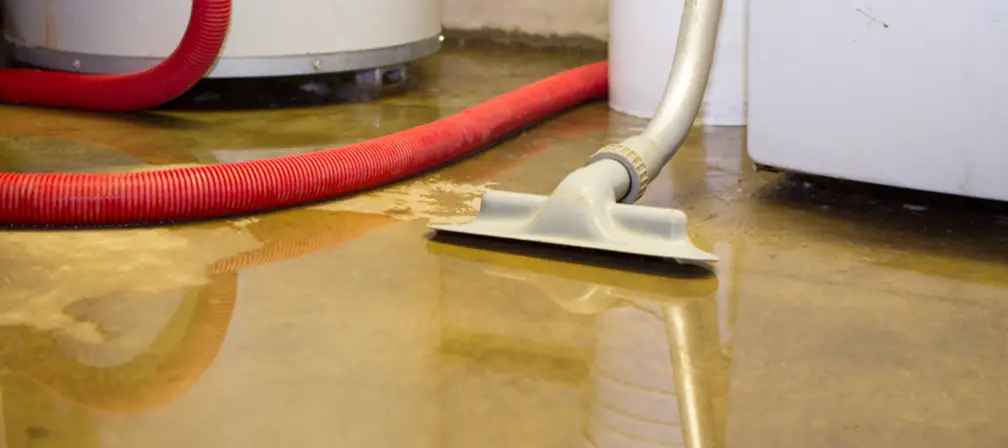
Where water has already been across the floor, drying and cleanup are separate work. See water damage restoration in Columbus for that, and the Columbus plumbing page for everything else we handle here.
Book a Pump and Pit Assessment in Columbus
Roto-Rooter has served Ohio homeowners since 1935 and is fully licensed and insured. Call 614-351-0455 or schedule online to have the pit, the float switch, the check valve, the discharge run and the case for a backup assessed together, ideally while the equipment is still working. Roto-Rooter provides on-site estimates before any work begins and answers 24/7, 365 days a year. That is plumbing peace of mind bought on your schedule rather than the weather's.

Worth Establishing Before the Season Tests It
Flat Till, Slow Clay and Builder-Standard Drainage
SPECIAL FINANCING AVAILABLE
We have partnered with Synchrony Bank to offer financing options to make your plumbing repair expenses as convenient and stress-free as possible.