Sump Pump Repair and Installation in Camden
Key Takeaways: Sand Is What Wears a Sump Pump Out Here
- Coastal plain sand gives water up freely, so a pit on this ground tends to be fed steadily from the sides rather than filling only when it rains.
- What arrives with that water is the problem. Fine sand packs the intake screen, abrades the impeller and settles into a layer in the bottom of the pit.
- A pump can therefore be worn out well before its years suggest, and the tell is grinding or a change in pitch rather than a dramatic failure.
- Clearing the pit and keeping a lid on it are the two cheapest things that extend the life of this equipment, and both get skipped.
- The other four failure modes still apply: a fouled float switch, a blocked intake, a seized impeller and a spent check valve.
- Storms coming up the Delaware River bring the outages, so a healthy pump with no power is a live scenario and a battery backup answers it.
- Roto-Rooter is fully licensed and insured and answers in Camden 24/7, 365 days a year.

Sand behaves in a way that surprises people who expect it to be the easy New Jersey soil. It drains beautifully, which is exactly why the ground here hands water to a pit so readily, and it moves with that water. Camden sits on the coastal plain, on sand and gravel over a water table that is rarely far down, and the result is a pump that gets a steady diet of both.
What Fine Sand Does Inside a Pump Housing
Three things, all of them gradual. Camden groundwater carries fine material, and it packs the intake screen, so the motor runs and moves progressively less water for the same effort. It passes through the impeller and abrades the vanes, which quietly reduces the volume the pump can shift and changes the sound it makes. And it settles out at the bottom of the pit, where it builds a layer that raises the effective floor and puts the pump's own intake closer to the sediment it is trying to avoid.
None of that produces a dramatic failure. What it produces is a pump that is technically running on the day of the storm and cannot keep up, which is the frustrating version of this problem. The equipment looks alive and the floor still gets wet.
How Often Should a Sump Pit Be Cleaned Out?
On sandy ground in Camden, at least once a year, and twice is better if the pit is easy to reach. Cleaning it is not complicated. Cut the power at the breaker, lift the pump out, scoop the sediment from the bottom, rinse the intake screen and check that the float switch swings freely without touching the pit wall or the discharge pipe.
Two upgrades make that job less frequent. A proper pit liner keeps loose material from working in through the sides, and a lid keeps everything else out. Neither is expensive, and on this soil they buy more service life than moving to a larger motor does.
Serving the entire Camden metro area, Including:
Counties in the Camden Metro Area
Discharging Into Ground That Takes Water Straight Back
On clay, a badly placed discharge line puddles and slowly works its way back. On the sand under Camden it does something faster and less visible: the water goes straight down through permeable soil, rejoins the shallow water table, and returns to the pit within the hour. The pump then moves the same water in a loop, and because nothing pools on the surface there is no evidence anything is wrong until the motor dies early.
Distance is the answer, and on sandy soil the distance needs to be greater than instinct suggests. The line has to end far enough out and low enough that the water it delivers is beyond the reach of the drainage around the footing. It must not be tied into the sanitary sewer, which is prohibited, and on an attached property it should not be soaking the strip of ground shared with the building next door.
The check valve is worth its own paragraph in this market, because sand shortens its life too. Grit works into the seat, the valve stops sealing, and the discharge line drops back into the pit on every cycle. The pump restarts within seconds, short cycles, and the motor that fails a year later is recorded as a worn pump when a fouled valve caused it.
Backup Power for a Storm Coming Up the River
The realistic failure here is a working pump with no electricity. Coastal storms and tropical remnants bring wind up the Delaware River valley, take lines down, and keep raining afterwards, and on ground that is already delivering water steadily the pit does not wait politely. A battery backup is a second pump with its own power source, rated in hours, and those hours shorten as the inflow rises.
The limits are worth saying. It does not add capacity during normal running and it is not a reason to keep a primary pump that is already tired, which on sandy ground it may well be. Pair it with a high-water alarm, which costs little and is the only part of the system that tells you something has gone wrong before the floor does.
Pit Depth, Cycling and a Steady Feed
A Camden pit that is shallow for a steady inflow gives the pump very little travel between its on and off points, so it starts and stops constantly and burns through a duty cycle rated for far fewer starts. Sand makes that worse, because the feed is continuous rather than event-driven. An oversized pit is not the answer either: water standing between cycles is water dropping its sediment load onto the intake.
Learn what the pit does in ordinary New Jersey weather, because on a steady feed the baseline is unusually informative. Longer runs at the same time of year is the earliest signal this equipment gives.
Testing the Pump and Reading the Bottom of the Pit
Pour a bucket of water slowly into the pit until the float switch lifts. The pump should start, clear the pit and stop cleanly without restarting a second later. Listen for a hum with no flow, and watch whether the level jumps back up when the motor cuts. Then, while the pit is open, look at the bottom. In Camden the depth of that sediment layer tells you more about the pump's remaining life than the date on the label does.
Twice a year is right in Camden. What the bucket cannot tell you is whether the pump keeps up under real inflow, whether the vanes have worn, or whether the buried discharge run is clear along its whole length.
What a Sump Pump Cannot Fix
Repair, replacement, new installation, backup systems, discharge line work, pit clearing and diagnosis of the whole installation are all in scope. Waterproofing a foundation, repointing masonry, regrading a yard and exterior excavation belong to other trades. Any company in Camden offering to solve water intrusion by fitting a larger pump is offering the wrong thing. A pump manages the water that reaches the pit, and on ground this permeable that is a real limit rather than a legal one.
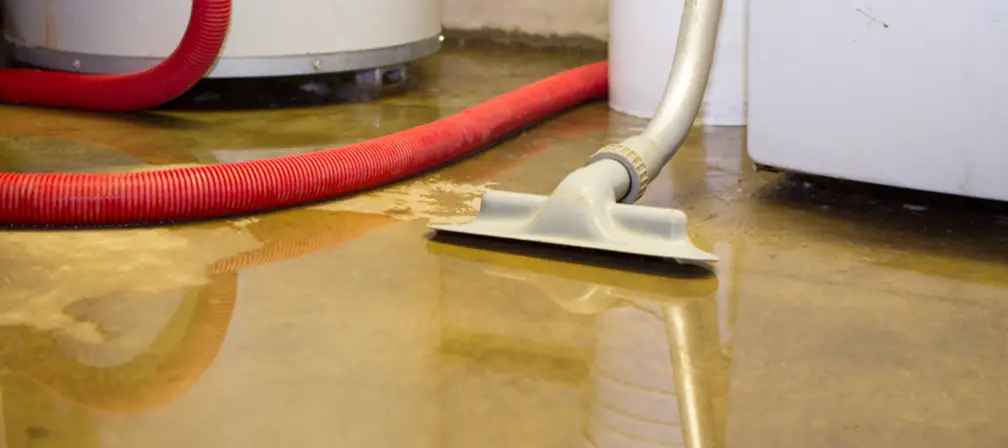
Where water has already reached finished space, cleanup is its own job. See Camden water damage restoration for that, and the Camden plumbing page for everything else.
Contact Roto-Rooter About a Sump Pump in Camden
Roto-Rooter has served homeowners since 1935 and is fully licensed and insured. Call 856-235-3697 or schedule online to have the pit cleared and the pump, the float switch, the check valve and the discharge run assessed together. Roto-Rooter provides on-site estimates before any work begins and answers 24/7, 365 days a year.

Grit, Noise and an Impeller Losing Its Edge
Coastal Plain Sand and a Water Table Close to the Floor
SPECIAL FINANCING AVAILABLE
We have partnered with Synchrony Bank to offer financing options to make your plumbing repair expenses as convenient and stress-free as possible.