Sewer Line Excavation in Brownsville
Key takeaways, for the whole system: what the camera has to show before a dig
- The private sewer lateral is generally the owner's responsibility; where it meets the municipal main is a boundary your jurisdiction defines.
- Permits and inspection are part of the work, and Roto-Rooter handles the process.
- Backfill is compacted in lifts, and final surface restoration is scoped on site before the dig starts.
- Municipal main work is the municipality's, and no private scope reaches past the connection.
- A heavily fouled line can look dead and only be dirty, which is why cleaning precedes some replacement verdicts.
- Depth, route and the extent of damage, all read off footage, shape the estimate more than anything else.
- Trenchless leaves entry and exit pits instead of a full trench where conditions allow it.
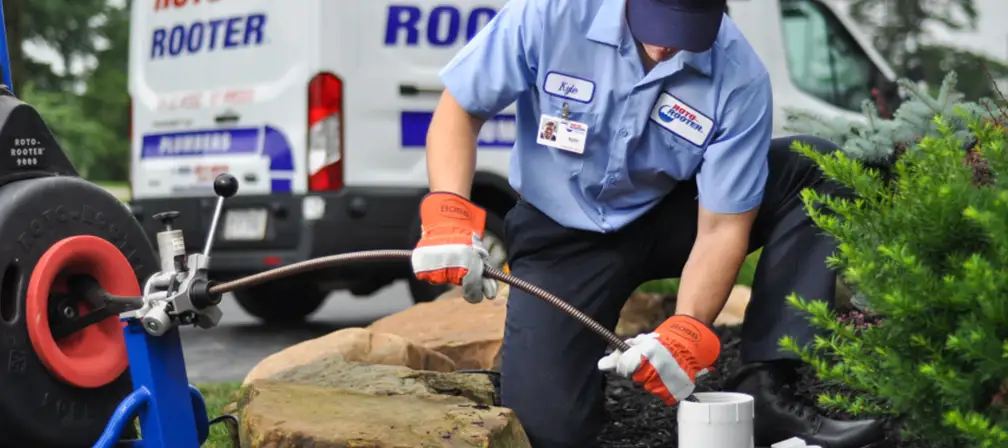
Brownsville excavation planning accounts for the specific route from the building to the connection. A camera report can identify the failed length, while Brownsville drain cleaning is the better fit when the obstruction is removable and the pipe wall remains sound.
A sewer replacement is the last stop on a line's service history, and the history should be on camera. For Brownsville readers, the next step is an inspection, same as everywhere.
Locating as step one
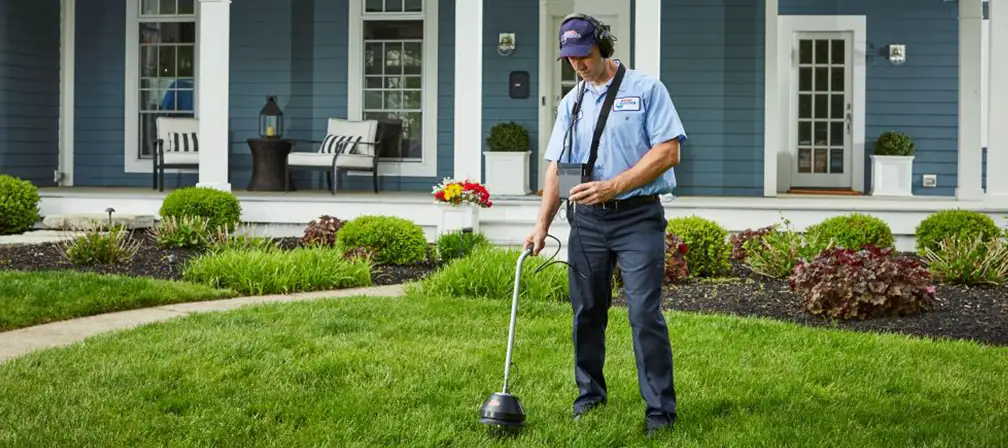
Before any dig, utility locating runs first, and it is as close to non-negotiable as this trade gets. Gas, electric, water and telecom all live in the same ground a sewer lateral crosses, and every one of them is a safety problem and a schedule problem when met unannounced. The locate is arranged before the trench is drawn, and the crew plans around what it finds. The locate also shapes the path.
What the camera has to show first
What the camera also establishes is scope: how far the damage runs, how deep the line sits, and where it turns. Those three facts shape the estimate, the method and the schedule more than anything else on the property. A replacement planned off footage is a replacement with surprises behind it; the surprises are what the inspection removes. Consider what a second camera pass costs against what a mistaken dig costs, and the inspection-first habit explains itself.
Operated as an Independent Contractor - All available services, hours of operations, pricing structure, and guarantees may vary by location
Serving Brownsville and surrounding communities, Including:
Counties in the Brownsville Area
Surface, depth, access and material decide the method, in roughly that order. In Brownsville, the sequence holds as written.
Who owns which pipe
Where exactly that changes, at the property line, at the curb, at the main itself, varies, and the crew confirms it with the utility before the scope is fixed. Roto-Rooter works the private side of that line. Municipal main work belongs to the municipality, and no scope this office quotes reaches past the connection. Practically, the boundary question comes up at exactly one moment: deciding where the replacement stops.
The paperwork the crew carries
Inspection happens at the stages the code requires, and the work closes out documented. What the process adds to your side of the fence is patience, briefly, and paperwork you do not have to touch. The requirements are confirmed for the specific work before the schedule is fixed, and no timeline is promised beyond what the process itself allows. The inspection stages exist to protect the next owner as much as the current one. A line replaced under permit carries a record: what went in, how it was bedded, that it was checked.
Backfill, compaction and restoration
An open cut means a trench through whatever is above the line: yard, driveway, sidewalk or some combination. Backfill goes in compacted, layer by layer, because settled ground is the complaint that follows careless fills. Restoration of the surface, the grass, the paving, the finishing, is scoped on site, and the honest version of that conversation happens before the dig rather than after. Trenchless reduces the footprint to entry and exit pits, which is the entire argument for it where the conditions allow. Either way, the property is left explained rather than merely left, and the difference is a crew that treats the surface as part of the work.
Pipe bursting, lining and the direct route
The inspection answers these questions before anyone promises a no-dig outcome. Presented honestly, the two methods are options with conditions rather than tiers with a winner. Some properties get the trenchless version and are glad of it. Some need open-cut because the footage says so, and the footage is the part of the process worth trusting. Depth and groundwater do quiet work on the method choice.
Age, roots and movement
Roots earn their own paragraph in any excavation story because they are the failure that repairs cleanest: find the break the roots used, replace that section, and the invasion is over. Age and corrosion are slower stories with wider endings, and the footage tells them apart early enough to plan around. Whatever brought the line to this point, the fix is the same shape: expose the failed length, replace it with sound pipe, bed and backfill it properly, and leave a record of all three. The local chapter is the diagnosis; the repair is the repair.
Findings that end the cleaning option
What the camera also establishes is scope: how far the damage runs, how deep the line sits, and where it turns. Those three facts shape the estimate, the method and the schedule more than anything else on the property. A replacement planned off footage is a replacement with surprises behind it; the surprises are what the inspection removes. Consider what a second camera pass costs against what a mistaken dig costs, and the inspection-first habit explains itself.
Two methods, decided by physics
The inspection answers these questions before anyone promises a no-dig outcome. Presented honestly, the two methods are options with conditions rather than tiers with a winner. Some properties get the trenchless version and are glad of it. Some need open-cut because the footage says so, and the footage is the part of the process worth trusting.
Gas, electric, water and telecom first
Before any dig, utility locating runs first, and it is as close to non-negotiable as this trade gets. Gas, electric, water and telecom all live in the same ground a sewer lateral crosses, and every one of them is a safety problem and a schedule problem when met unannounced. The locate is arranged before the trench is drawn, and the crew plans around what it finds. The locate also shapes the path.
Who owns which pipe
Where exactly that changes, at the property line, at the curb, at the main itself, varies, and the crew confirms it with the utility before the scope is fixed. Roto-Rooter works the private side of that line. Municipal main work belongs to the municipality, and no scope this office quotes reaches past the connection. Practically, the boundary question comes up at exactly one moment: deciding where the replacement stops.
The paperwork the crew carries
Inspection happens at the stages the code requires, and the work closes out documented. What the process adds to your side of the fence is patience, briefly, and paperwork you do not have to touch. The requirements are confirmed for the specific work before the schedule is fixed, and no timeline is promised beyond what the process itself allows. The inspection stages exist to protect the next owner as much as the current one.
Leaving the property explained
An open cut means a trench through whatever is above the line: yard, driveway, sidewalk or some combination. Backfill goes in compacted, layer by layer, because settled ground is the complaint that follows careless fills. Restoration of the surface, the grass, the paving, the finishing, is scoped on site, and the honest version of that conversation happens before the dig rather than after. Trenchless reduces the footprint to entry and exit pits, which is the entire argument for it where the conditions allow.
Schedule Sewer Line Excavation Consultation in Brownsville
Roto-Rooter is fully licensed and insured. To book the inspection that decides whether a dig is needed at all, call 956-429-3087 or schedule online. For everything else the team handles locally, start at the Brownsville plumbing page.
Findings that justify sewer excavation
Ground, utilities and the calendar

SPECIAL FINANCING AVAILABLE
We have partnered with Synchrony Bank to offer financing options to make your plumbing repair expenses as convenient and stress-free as possible.