Sump Pump Repair and Installation in Boston
Key Takeaways: What Made Land Does to a Boston Sump Pit
- A pump that cycles on a dry week is not necessarily faulty. Across the filled ground in Boston the groundwater sits close to the floor year round, and the pit fills from the sides rather than from the sky.
- Because that is the baseline, the useful signal is change. A pump that has always run twice an hour and now runs continuously has told you something.
- The equipment that runs all year wears out on a schedule. Rust on the shaft, grinding, vibration and longer run times for the same weather are end-of-life signs.
- A stuck float switch, a fouled intake screen, a seized impeller and a failed check valve account for most of the calls, and each has a sound you can learn.
- The fifth failure is not the pump at all. A coastal storm takes the power out and the pit keeps filling, which is the gap a battery backup exists to cover.
- A discharge line that ends a few feet from the wall on saturated fill hands the same water back to the pump within the hour.
- Roto-Rooter is fully licensed and insured and answers in Boston 24/7, 365 days a year.

A great deal of this city is not original ground. The back bays, coves and tidal flats were filled in during the 19th century, and the ground under a large share of Boston's older housing stock is fill sitting on marine clay with the water table not far below the floor. That single fact changes what a sump pump is doing here. It is not waiting for a storm. It is managing a supply that never fully switches off.
Is It Normal for a Sump Pump to Run All Year?
In most of the country that question points at a defect. In the filled districts of Boston it usually points at the ground. Groundwater seeps toward the lowest opening it can find, the pit is that opening, and the pump moves it. There is a second reason this matters locally, and it is worth knowing before anyone decides to solve the problem by drying the ground out. Much of the older building stock on made land stands on timber pilings that were driven below the water line and have to stay submerged. Those levels are watched carefully across the filled parts of the city. A sump pump manages the water that arrives in the pit. Pulling the surrounding water table down is not what it is for, and it is not something to attempt with a bigger pump.
So the honest answer to constant running is a comparison rather than a verdict. If the rhythm matches what the pit has always done, the pump is doing its job. If the rhythm has changed, something in the system has, and that is worth a look.
Four Things Wear Out, and One Thing Gets Switched Off
The float switch drifts against the pit wall or catches on the discharge pipe, and the pump never gets the signal to start. The intake screen packs with silt and grit, so the motor runs and nothing moves. An impeller seizes and announces itself with a hum instead of a flow. A check valve fails, the column of water in the discharge pipe drops straight back into the pit the moment the motor stops, and the pump restarts within seconds. Each of those is repairable and each is cheaper to catch early than to meet during a Massachusetts nor'easter.
The fifth is different in kind. In a coastal storm the wind takes the power down and the rain keeps coming, and the pump has nothing wrong with it except that it has no electricity. Nothing on the pump can fix that, which is the whole argument for a second system.
The Second Pump, and the Hours It Actually Covers
A battery backup is a second pump with its own power supply, and in a market where wind and heavy wet snow take the lines down across eastern Massachusetts it is the single most common gap found in homes that have had a working pit for years. It is worth being precise about the limits. It carries a pit through an outage measured in hours, and the number of hours depends entirely on how fast the water is arriving. It does not substitute for a primary pump that is already failing, and on ground that delivers water continuously it will drain faster than the brochure suggests. What it does is cover the one night the primary pump could not.
Serving the entire Boston metro area, Including:
Counties in the Boston Metro Area
Sump Pump Discharge Into Ground That Is Already Saturated
Lifting water out of the pit is the easy half. Getting it far enough away that it does not come straight back is the half that goes wrong, and dense Boston lots make it harder than the plumbing suggests. On saturated fill, a line that terminates two feet from the wall puts the water into ground that is already full, and it percolates back down to the drainage and returns to the pit. The pump then moves the same water repeatedly until the motor gives out years early.
Two rules survive every site. The termination has to be far enough out and low enough that gravity carries the water away from the building, and the line must not be tied into the sanitary sewer, which many jurisdictions here prohibit outright. Where there is genuinely no yard, the answer is a longer run to a legal termination, not a shorter one to a convenient spot.
The check valve on that line deserves its own mention. It holds the column of water in the pipe when the motor stops. When it fails, the pit refills instantly, the pump restarts, and short cycling wears out a motor that had years of service left in it. It is a small part, and it is a common cause of an expensive replacement.
When the Pit Refills Before the Pump Has Finished
Cycling is the diagnostic most homeowners have and never use. A pit sized too small for its inflow fills faster than the pump can comfortably clear, so the unit starts and stops constantly and burns through the duty cycle it was rated for. A pit sized too large lets water stand long enough to go stale and to settle sediment onto the intake. Continuous running is a third case again, and on ground like this it can mean either a high groundwater season or a check valve quietly returning the same water.
Establish the Boston baseline in ordinary weather, because the baseline is what makes the change readable later. Very few people in Massachusetts ever do, which is why the first sign of trouble here tends to be a wet floor rather than a longer run time.
What to Listen For When You Fill the Pit by Hand
Pour a bucket of water slowly into the pit until the float switch lifts. The pump should start, clear the pit, and stop cleanly without restarting a second later. Listen for a hum with no flow. Watch whether the water level jumps back up the instant the motor cuts. Then write the date and roughly how long the run took somewhere you will find it again, because that number is the baseline the next test is measured against. Do it twice a year, and do one of them in autumn rather than in the middle of a storm.
What the bucket does not tell you is whether the pump keeps up under real inflow, whether the discharge line is clear along its whole length, or whether anything runs when the grid is down. Those need eyes on the whole installation.
Cutting a New Pit Into a Floor That Predates Drain Tile
Some homes here reach the point where drainage that coped for decades stops coping. The pattern is familiar: seepage along one wall after a long Massachusetts rain, efflorescence blooming on the old brick and stone Boston built with, a floor drain backing up when it never used to. A new pit and pump is a practical answer, and the work is more involved than swapping a unit because the pit has to go where water actually collects and has to tie into whatever drainage already exists under the slab.
Siting is most of that job. A pit cut into a convenient corner rather than the low point collects very little, and the pump in it reads as a failure when the equipment is fine. That is why this starts with somebody looking at how the floor drains and where water shows up first, rather than with a number over the phone.
The Job That Belongs to a Foundation Contractor
Repair, replacement, new installation, backup systems, discharge line work and diagnosis of the whole pit are all in scope. Foundation waterproofing, exterior excavation and structural repair are a different trade, and any company in Boston offering to solve a water intrusion problem by selling a larger pump is selling the wrong thing. A pump manages the water that reaches the pit. It does not stop water from reaching the building, and no honest description of one says otherwise.
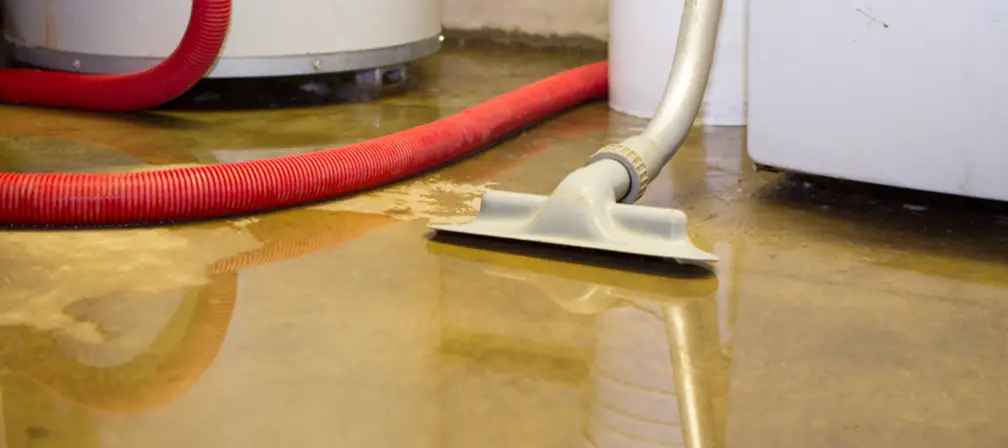
Where water has already spread across a floor, cleanup is its own job. See Boston water damage restoration for that work, and the Boston plumbing page for everything else.
Request a Sump Pump Inspection in Boston
Roto-Rooter has served homeowners since 1935 and is fully licensed and insured. Call 617-267-0033 or schedule online to have the pit, the float switch, the check valve and the discharge line looked at as one system rather than as parts. Roto-Rooter provides on-site estimates before any work begins and answers 24/7, 365 days a year, which is when this equipment tends to ask for attention.

Reading a Pump That Never Fully Stops
Why the Water Table Under This City Is Kept High
SPECIAL FINANCING AVAILABLE
We have partnered with Synchrony Bank to offer financing options to make your plumbing repair expenses as convenient and stress-free as possible.