Sump Pump Repair and Installation in Arlington
Key Takeaways: The Part That Moves Is the Part That Fails
- An Arlington sump pump has one moving control, and it operates thousands of times a season. That is where most failures start.
- A great many calls that arrive as a dead pump are a float that could not move rather than a motor that could not run.
- Three things stop a float in a Virginia pit: debris at the pivot, contact with the pipework, and the wall of a pit too narrow for the swing.
- A tethered float needs room to travel. A vertical switch needs far less, which is why the pit dictates the choice rather than the other way round.
- A pump that hums, a pump that never starts, and a pump that runs and will not stop are all classic switch symptoms before they are motor symptoms.
- Older Arlington houses frequently have small pits cut long ago, which is exactly the condition a tethered float handles worst.
- Roto-Rooter is fully licensed and insured and answers in Arlington 24/7, 365 days a year.

Consider what is actually in an Arlington sump pit. A sealed motor with an impeller, a length of pipe, a valve, and one component that moves up and down every time water arrives. Everything else sits still. The moving part therefore does nearly all of the accumulating wear and takes nearly all of the interference, and it is worth far more attention than it usually gets.
One Moving Control, Thousands of Cycles
Through a wet Virginia spring a float can operate many times a day, week after week. Nothing about that is hard on it individually, and the total is what matters. Over years the pivot collects deposits, the tether stiffens, the switch inside becomes less decisive, and the movement that used to be free becomes a movement that occasionally hesitates. Occasional hesitation is not a fault anybody notices, and it is exactly what turns into a failure on a night the pit is filling.
Tethered, Vertical, and What the Pit Allows
A tethered float hangs on a cord and swings up as the level rises, so it needs clear space to travel through a wide arc. In a generous pit that is a robust and forgiving arrangement. In a narrow one it is the opposite: the float catches the wall, or the discharge pipe, or the power cord, and stops giving a reliable signal. A vertical switch rides straight up a rod in a much smaller footprint, which suits a tight pit and has its own maintenance needs. Neither is better in the abstract. The pit decides.
That is why the width and depth of a pit belong in this conversation. Somebody specifying a replacement pump for an Arlington property without measuring the pit has skipped the step that determines whether the new switch will work any better than the old one did.
Serving the entire Arlington metro area, Including:
Counties in the Arlington Metro Area
Choosing a Switch for the Pit You Actually Have
The Arlington sequence that works is simple and it is frequently reversed. Measure the pit first: internal diameter, depth, and how much clear space exists once the pipework and the cord are in place. Then choose a switch type that can operate within that space without touching anything. Then choose a pump that carries that switch and matches the inflow. Done in that order, the equipment tends to last. Done backwards, an Arlington household buys a good pump that fails early for reasons that have nothing to do with the motor.
It is also worth knowing that a switch is frequently a repair rather than a replacement. Where the motor is sound and the fault is a float that has stopped moving cleanly, changing the switch or clearing what is fouling it restores the system for a fraction of the disruption. That is the honest answer more often than the sales answer suggests.
Why a Narrow Pit Changes Everything Downstream
A tight Virginia pit does two things at once. It restricts the float, which is the failure already described, and it holds very little water between the start and stop levels, so the motor starts far more times for the same amount of water. Those two compound: more cycles through a switch that is already short of room. It is the reason a household can replace the pump twice and still be back within a few years.
Where the pit is genuinely too small, the useful conversation is about the pit rather than the pump. Enlarging or replacing a basin is more work than swapping a unit, and it is the change that fixes the pattern rather than resetting it.
The Check Valve, the Other Small Part
While the pit is open it is worth looking at the check valve, which is the second inexpensive component with an outsized effect. Its job is to stop the standing column of water in the discharge line falling back into the pit when the motor cuts out. When it fails, the pit refills instantly, the pump restarts, and the float cycles twice as often as it should. A failing valve therefore doubles the wear on the very component this page is about.
The rest of the discharge run still has to do its job. It has to carry water far enough from the building that it does not soak back down to the drainage at the footing and return, and on the small Arlington lots typical here that means planning the route rather than taking the shortest line out.
Testing the Switch Rather Than the Pump
Most testing advice checks that an Arlington pump can run. Test the switch instead. Pour water slowly into the pit and watch the float rise on its own, without touching it. The pump should start at a sensible level, clear the pit, and stop cleanly without restarting a moment later. Then watch the float descend and confirm nothing catches it on the way down. Do that twice a year, and do it before the wet season rather than during it.
While you are there, look at what is in the pit with the float: a cord that has been left long, a pipe crossing its arc, debris on the pivot. Those are the ordinary causes. What the test cannot show is what happens with no electricity, and in Virginia the storm that fills the pit is capable of taking the power. A battery backup is a second pump with its own power source, with its own float that needs the same clear space, and it carries a pit through an outage of hours rather than days.
What a New Switch Does Not Fix
Repair, replacement, new installation, switch and check valve work, backup systems, discharge line work and full diagnosis of the pit are ours. Foundation repair, exterior waterproofing and structural work are not, and Roto-Rooter does not take them on. A perfectly working switch on a perfectly working pump still only lowers the water that reaches the pit. Where water is arriving through a wall, no component in the pit changes that, and nobody should suggest otherwise.
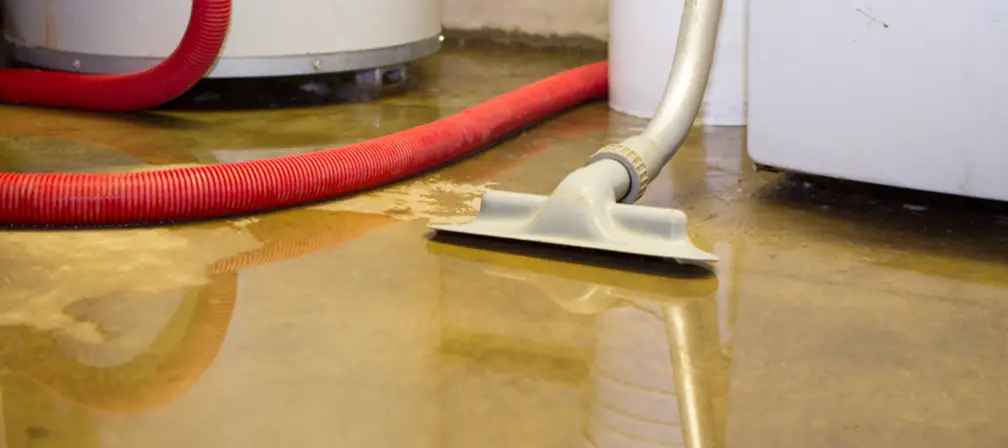
Where water has already been across the floor, drying and cleanup are separate work. See water damage restoration in Arlington for that, and the Arlington plumbing page for everything else we handle here.
Book a Switch and Pit Assessment in Arlington
Roto-Rooter has served Virginia homeowners since 1935 and is fully licensed and insured. Call 703-253-7782 or schedule online to have the float switch, the pit dimensions, the check valve and the discharge run assessed together, before the component that moves most decides to stop. Roto-Rooter provides on-site estimates before any work begins and answers 24/7, 365 days a year. That is plumbing peace of mind focused where the failures actually start.

Symptoms That Point at the Switch Before the Motor
Small Lots, Older Houses and Narrow Pits
SPECIAL FINANCING AVAILABLE
We have partnered with Synchrony Bank to offer financing options to make your plumbing repair expenses as convenient and stress-free as possible.