Leak Detection in Albuquerque, NM
Every Drop Counts in the Desert - Finding Hidden Leaks Before They Drain Your Water and Wallet
In a city that receives just nine inches of rainfall per year, a hidden plumbing leak is more than an inconvenience - it is a direct hit to one of Albuquerque's most precious resources. The Albuquerque Bernalillo County Water Utility Authority enforces tiered water rates that penalize high usage, and a small leak wasting 20 gallons per day adds up to more than 7,300 gallons per year. That wasted water shows up on your bill and strains a supply that the entire Rio Grande Valley depends on.
Roto-Rooter's experienced plumbing technicians use professional-grade leak detection equipment to locate hidden leaks without tearing apart walls, floors, or landscaping. Our approach pinpoints the exact source so repairs target the problem directly.
Available 24/7, 365 days a year for emergency and scheduled leak detection.
Roto-Rooter is fully licensed and insured with experienced plumbing technicians trained in non-invasive detection methods that preserve walls, flooring, and xeriscaped yards.
Accurate location technology identifies slab leaks, underground line leaks, and hidden pipe failures without guesswork or unnecessary demolition.
Call Roto-Rooter at 505-944-7244 or schedule service online to locate and stop leaks fast.
What Makes Albuquerque Plumbing Vulnerable to Leaks
Albuquerque's high desert climate and unique geology create conditions that stress plumbing systems in ways most cities never experience. The combination of arid heat, freeze-thaw cycles, mineral-heavy water, and reactive soil puts constant pressure on pipes, fittings, and slab connections.
Expansive clay and caliche soil - Albuquerque sits on layers of dense caliche hardpan and reactive clay that swells during monsoon season and contracts through dry months. This seasonal movement shifts underground pipes, cracks joints, and separates connections buried beneath foundations and yards.
Freeze-thaw pipe stress - Winter nights regularly drop below freezing, and January cold fronts push temperatures into the teens. Exposed pipes in garages, crawl spaces, and exterior walls expand and contract with each freeze-thaw cycle, weakening joints and fittings.
Hard water mineral deposits - Albuquerque's water supply carries elevated calcium and magnesium levels that build scale inside pipes. This mineral crust narrows pipe diameter, increases internal pressure, and corrodes copper fittings from the inside out.
Aging pipe materials - Homes built in Nob Hill and the Northeast Heights during the 1950s through 1970s often contain galvanized steel pipes prone to internal corrosion. Properties from the late 1970s through mid-1990s may have polybutylene supply lines that become brittle and crack with age.
Slab-on-grade construction - Most Albuquerque homes sit on concrete slab foundations with copper supply lines running through or beneath the slab. When soil shifts or pipes corrode, leaks develop under the foundation where they remain invisible until significant damage occurs.
Neighborhoods and Areas We Serve Across Albuquerque
Roto-Rooter provides leak detection services to residential and commercial properties throughout Albuquerque. Each part of the city presents its own plumbing challenges shaped by construction era, soil conditions, and infrastructure age.
Nob Hill and the University Area - Many homes here date to the 1940s and 1950s, with original galvanized steel supply lines that corrode internally. Mature tree roots along Silver Avenue and Central Avenue compound the problem by shifting underground connections.
Northeast Heights - Development during the 1960s and 1970s means many homes contain aging copper and polybutylene supply lines. The caliche-heavy soil creates persistent ground movement that stresses slab connections.
Rio Rancho and the West Side - Newer construction uses modern materials, but the expansive clay soil on the mesa is among the most reactive in the metro area. Foundation settlement during dry periods pulls slab-embedded pipes out of alignment.
South Valley and Downtown - Properties near the Rio Grande sit on alluvial soil with a higher water table that can mask leak signatures and accelerate external pipe corrosion. Downtown and Old Town contain some of Albuquerque's oldest infrastructure, with cast iron and galvanized lines installed more than a century ago.
Operated as an Independent Franchise - All available services, hours of operations, pricing structure, and guarantees may vary by location
Serving the entire Albuquerque metro area, Including:
Counties in the Albuquerque Metro Area
What to Do When You Suspect a Leak
Acting quickly when you notice signs of a hidden leak can save thousands of dollars in water waste and structural repair.
Check your water meter - Turn off all water inside and outside your home, then watch the meter dial. If it continues to move, you have a leak somewhere in the system. The ABCWUA provides online usage tracking tools that flag unusual consumption spikes.
Inspect exposed pipes before winter - Insulate pipes in garages, crawl spaces, and along exterior walls before Albuquerque's first hard freeze. Pipe sleeves and heat cable prevent the freeze-thaw damage that leads to burst or leaking pipes.
Watch for foundation warning signs - Cracks in walls, doors that stick, or uneven floors can indicate a slab leak causing soil to swell beneath your foundation. Foundation repair from slab leak damage can cost tens of thousands of dollars.
Check irrigation systems seasonally - Drip irrigation and sprinkler lines exposed to Albuquerque's intense UV and temperature extremes degrade faster than in milder climates. Inspect lines each spring before irrigation season begins.
Schedule annual leak inspections - A professional leak detection survey catches developing problems before they cause structural damage or water waste.
What to Expect from Roto-Rooter Leak Detection
Many of the leaks our technicians locate in Albuquerque homes are hidden beneath concrete slabs, behind finished walls, or buried in hard-packed desert soil. Our detection process combines multiple technologies to confirm the exact leak location before any repair work begins.
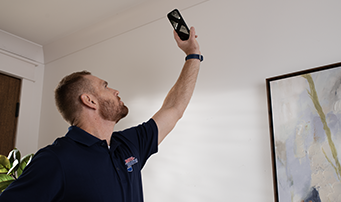
Acoustic leak detection - Sensitive listening equipment amplifies the sound of pressurized water escaping through concrete slabs and soil. Ground microphones and acoustic sensors follow the sound to its source.
Thermal imaging - Infrared cameras detect temperature differences caused by water saturating walls, floors, and ceilings. A warm water supply leak or cold spot from an underground line shows up clearly on thermal scans.
Pressure testing - Isolating sections of the plumbing system and monitoring pressure changes confirms the presence and approximate location of leaks in supply lines, drain lines, and irrigation systems.
Video camera inspection - Fiber-optic cameras inserted into drain and sewer lines provide real-time views of pipe condition, revealing cracks, joint separation, root intrusion, and corrosion.
Slab leak detection - Combining acoustic, pressure, and thermal methods to locate leaks in copper lines running through or beneath concrete slab foundations without breaking concrete until the exact spot is confirmed.
Albuquerque's dry soil and slab-heavy construction demand specialized equipment. Sound travels differently through caliche and compacted desert soil than through moist earth in wetter climates. Our detection equipment is calibrated for these conditions, filtering out environmental noise to isolate the specific frequencies produced by escaping water.
Same-Day Leak Detection in Albuquerque
Call Roto-Rooter for Leak Detection in Albuquerque - Available 24/7
Frequently Asked Questions
How do I know if I have a hidden water leak in my Albuquerque home?
Common signs include unexplained increases in your water bill, the sound of running water when all fixtures are off, warm or damp spots on floors, and new cracks in walls or foundation. Check your water meter with all water turned off - if the dial continues to move, call Roto-Rooter at 505-944-7244 for professional leak detection.
Can Roto-Rooter detect leaks without damaging my walls or flooring?
Yes. Our experienced plumbing technicians use acoustic sensors, thermal imaging cameras, and pressure testing to locate leaks non-invasively. These methods pinpoint the exact leak location so any necessary repair access is limited to the smallest possible area, preserving your walls, flooring, and landscaping.
What causes slab leaks in Albuquerque homes?
Albuquerque's expansive clay and caliche soil shifts seasonally as it absorbs monsoon moisture and dries out between rains. This movement stresses copper supply lines that run through or beneath concrete slab foundations. Hard water mineral buildup also corrodes copper pipes from the inside, thinning the walls until pinhole leaks develop.
Should I worry about frozen pipes causing leaks in Albuquerque?
Yes. Albuquerque winters bring regular overnight freezes, and January cold fronts push temperatures into the teens. Pipes in unheated garages, crawl spaces, and exterior walls are vulnerable. Repeated freeze-thaw cycles weaken joints, and a single hard freeze can cause burst or leaking pipes that remain hidden until the ice thaws.
How does Albuquerque's hard water affect my pipes?
The elevated calcium and magnesium in Albuquerque's water supply deposit mineral scale inside pipes over time. This scale narrows the pipe opening, increases water pressure on fittings and joints, and creates corrosion points on copper pipes. Regular plumbing inspections help catch mineral-related damage before leaks develop.
How long does a professional leak detection inspection take?
Most residential leak detection inspections take one to two hours depending on the size of the home and plumbing complexity. Slab leak detection may require additional time for acoustic mapping and pressure testing. Our technicians arrive with all necessary equipment on every visit.
Why is leak detection especially important in Albuquerque's desert climate?
Albuquerque receives approximately nine inches of rain per year, making every gallon of treated water valuable. A leak wasting just 20 gallons daily adds over 7,300 gallons of annual waste. The ABCWUA uses tiered water rates, so undetected leaks cost progressively more per gallon. Early detection saves water, money, and prevents foundation damage.
SPECIAL FINANCING AVAILABLE
We have partnered with Synchrony Bank to offer financing options to make your plumbing repair expenses as convenient and stress-free as possible.